

September 30, 202615 min read
How to increase and improve customer lifetime value (4 levers for ecommerce)


To increase customer lifetime value, you have four levers to pull: keep customers longer, get them to buy more often, grow what they spend per order, and protect the margin on each order. Most advice stops at that list. This guide puts a dollar figure on each lever for a typical ecommerce store, which shows you where your next quarter is best spent, and then walks through the tactics that move each one.
Customer service shows up in every lever. It's where a shopper decides whether a late package was a hiccup or a reason to never order again, and it's where a return turns into an exchange or a refund.
If you need the basics first, the customer lifetime value glossary entry covers the definition, and the CLV calculator will run your own numbers. The short version of the formula: CLV = average order value × purchases per year × customer lifespan, and lifespan is 1 ÷ (1 − your retention rate).
The four levers of customer lifetime value, and what each one is worth
Here's an illustrative store. Its average order is $80, a typical customer orders twice a year, and 60% of customers are still buying a year later. That 60% retention rate works out to a 2.5-year customer lifespan, so each customer is worth $80 × 2 × 2.5 = $400.
Now move one input at a time and watch what happens. These are made-up numbers using the same formula as the calculator, so plug in yours to see your own version.
What each lever is worth for an illustrative $80 AOV store
Change | CLV | Change vs. baseline |
|---|---|---|
Baseline: $80 AOV, 2 orders a year, 60% retention | $400 | Baseline |
Retention up 1 point, to 61% | $410 | +2.6% |
Retention up 5 points, to 65% | $457 | +14% |
Retention up 10 points, to 70% | $533 | +33% |
One more order a year (3 instead of 2) | $600 | +50% |
Average order value up 10%, to $88 | $440 | +10% |
One extra order a year is worth more than a five-point jump in retention for this store, because frequency multiplies the whole relationship. Retention gains compound as they get bigger, though: going from 60% to 70% retention stretches the lifespan from 2.5 to 3.3 years and lifts CLV by a third. And a 10% bump in average order value is worth exactly 10%, which makes it the easiest lever to forecast.
Margin doesn't appear in the formula above, which measures revenue. It still matters, because a $400 customer who returns a third of what they buy and contacts support five times a year is worth a lot less than $400 to you. We cover that in the margin section below.
Which lever to work on first depends on which one is cheapest for you to move. A brand with a 30% repeat rate and a strong loyal core has different room to grow than one where most customers buy once.
Why customer lifetime value matters more as acquisition costs rise
Paid acquisition keeps getting more expensive. ProfitWell's analysis of about 700 subscription companies found customer acquisition costs up roughly 60% over five years (2020), and SimplicityDX reported that ecommerce brands lost an average of $29 on each new customer in 2022, up from $9 in 2013. When the first order loses money, the second, third and fourth orders are where the profit lives.
You've probably seen the claim that a 5% lift in retention boosts profit by 25% to 95%. The original Bain research is narrower than that. Fred Reichheld wrote in 2001 that in financial services, a 5% increase in customer retention produces more than a 25% increase in profit. The direction holds for ecommerce, but your own cohort data will tell you the size of the effect better than a 25-year-old banking study will.
Retention: keep customers buying longer
Retention is easy to underinvest in, partly because churn in ecommerce is silent. Customers rarely tell a store they're leaving; they just stop ordering, and you find out months later in a cohort report.
Win the second order
Plenty of customers never place a second order, and the ones who do tend to get more valuable the longer they stay. In one of Bain's early studies of online shoppers, the average repeat apparel customer spent 67% more in months 31 to 36 of the relationship than in the first six months.
Make the first order easy to love. That means clear delivery dates, proactive updates when something slips, and a fast answer when the customer asks where their package is. Then give them a reason to come back that fits what they bought: a care guide for the jacket, a refill reminder timed to when the moisturizer runs out, or a fit check a week after the shoes arrive.
Reduce churn without discounting
A discount can win back a customer, but it also teaches them to wait for the next one. Before you reach for a code, fix the reasons people leave. Service failures are a big one. Zendesk's 2023 CX Trends research found that 73% of customers will switch to a competitor after multiple bad experiences, and more than half will leave after one.
Some churn fixes that don't cost margin:
Read your contact reasons by cohort. If first-time buyers contact you about sizing far more often than repeat buyers do, your product pages have a gap to fix.
Answer fast on nights and weekends, when a lot of cancellations and complaints land.
Follow up after a bad experience with a person, and give that person the power to fix it on the spot.
Offer an exchange or store credit before a refund (more on this below).
Recognize your best customers when they contact you, so they get the VIP treatment without having to ask for it.
If you run a subscription business
Subscription brands can see churn coming, which means they can act on it. Every cancellation request is a chance to save the customer, and speed matters more than the script.
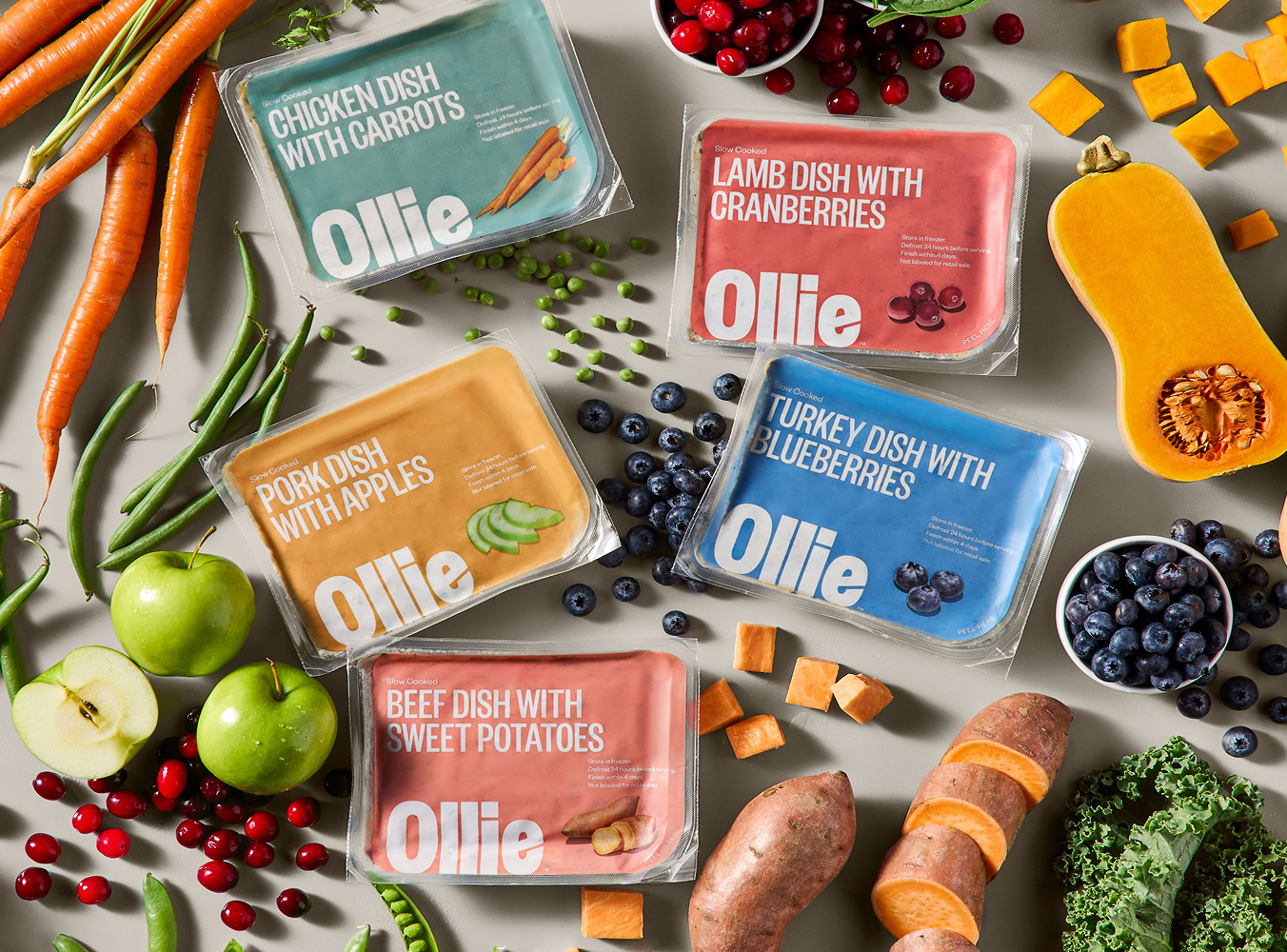
Ollie, a subscription pet food brand, keeps 45% of the members who reach its CX team to cancel. Ollie also found that proactive SMS campaigns reduced churn by 7%, and a text check-in from a vet tech seven days after signup improved retention by 4% compared with a control group.
We're not 24/7, so if someone emails about canceling on Saturday night and we don't respond until Monday, they've often already moved on. With Astro responding immediately, we're seeing actual conversations happen and higher save rates as a result.
Benjamin Devey
Sr. Director of Customer Experience, Ollie
Purchase frequency: bring customers back sooner
In the example above, frequency was the biggest single lever. Getting customers back sooner usually comes down to timing and relevance.
How to increase repeat purchase rate
Your repeat purchase rate is the share of customers who've ordered more than once. To raise it:
Time follow-ups to the product's natural use cycle. A 30-day supply should get a reminder around day 25, and a winter coat shouldn't get a "time to reorder" email in March.
Make reordering take one click, whether that's a saved cart, a subscribe option, or a link in the order confirmation.
Use the post-purchase window for help first and selling second. How-to content, setup tips and a clear way to ask questions build the trust that makes the next order easy.
Put new arrivals and restocks in front of people based on what they bought, so the email reads like a heads-up from someone who knows what's in their closet.
Where loyalty programs fit
A loyalty program gives customers a reason to choose you again when the product alone would be a coin flip. Points, tiers and early access all work, as long as the reward is worth the effort and customers can check where they stand. The program also pays off in service: when your team can see a customer's tier and points balance in the conversation, they can treat a top-tier customer like one without being asked.
Average order value: grow the basket without pushing
AOV is the most predictable lever, because a 10% bigger basket is worth exactly 10% more CLV. The tactics are well covered in our guides to increasing average order value and product bundling, so here's the part those guides don't dwell on: the conversations where customers ask for advice.
A shopper who contacts you about fit, sizing, compatibility or care is asking for a recommendation, and a good answer often includes a second item. KÜHL saw 120% more revenue per call after AI took over routine questions and freed its team to talk about products.
Previously, our team was so focused on reducing ticket numbers that they couldn't properly engage with customers about our products. Now I hear them confidently making recommendations. When someone calls about pants, they naturally transition to discussing our Renegade shirts and other complementary items.
Nancy Orgill
Customer Support Manager, KÜHL
Rothy's sees the same pattern on chat. More than 20% of customers made a purchase after connecting with an agent. And at Crate & Barrel, Kate Showalter, VP of Customer Care, calls chat the company's top revenue producer "because the customer is there, engaged on our site, shopping."
Margin: returns, exchanges and cost to serve
Two customers with the same order history can be worth very different amounts once you count returns, reshipments and support costs. This is the lever that doesn't show up in the CLV formula, and it's often where the easiest money is.
Start with returns. The NRF expected returns to total $849.9 billion in 2025, or 15.8% of retail sales, with 19.3% of online sales coming back. The same survey found that 71% of consumers are less likely to shop with a retailer again after a poor returns experience. So a return costs you twice if it goes badly: once in margin and once in lifespan.
An exchange keeps the revenue and the customer. In Narvar's 2024 research, 60% of consumers said they're open to an exchange or store credit in place of a full refund if the process is quick and convenient. Offer the swap first, make it one step, and ship the replacement before the original comes back for customers you trust.
Cost to serve is the other half. Every "where's my order?" contact costs money and adds nothing to the relationship. KÜHL cut WISMO emails by 44%, which frees the team for the conversations that sell.
We're fully integrated with Shopify and Loop, so my agents do not have to leave Gladly to do some pretty basic functions and lookups. For a lot of our inbounds, they're able to stay in Gladly and use that as the primary tool.
Lauren Inman-Semerau
Head of Customer Experience, Rothy's
Where customer service wins or loses the repeat purchase
Customer service touches every lever above. It decides whether a customer stays after a problem, whether they come back for help choosing the next thing, and whether a return becomes an exchange. Here's where it matters most.
Answer post-purchase questions fast
The days between checkout and delivery are when customers are most anxious and most likely to contact you. PwC found in 2018 that 32% of customers would stop doing business with a brand they loved after one bad experience. Order status, delivery changes, cancellations and damaged items should get an answer in minutes, day or night. AI can handle most of these on its own when it can look up the order and take the action, and it can hand the rest to your team with the full history attached.
Know the customer when they come back
Nothing tells a loyal customer they don't matter faster than being asked for their order number three times. When every conversation, order and channel sits in one customer profile, your team and your AI can see that this is someone's fourth order, that their last package arrived damaged, and that they're in your top loyalty tier. With Gladly, loyalty data from tools like Yotpo and Okendo shows up next to the conversation and can route top-tier customers to the right team automatically.
Recommend based on what they already bought
Personalization is expected now. McKinsey's 2021 research found that 71% of consumers expect companies to deliver personalized interactions, and 76% get frustrated when that doesn't happen. In a service conversation, that means suggesting the refill, the matching piece or the upgrade that fits what the customer already owns. For the site side of this, see our guide to website personalization, and for how AI handles product questions, see what an AI shopping assistant does.
With Gladly AI, every interaction feels like a one-on-one with a seasoned gear guide. From reeling in the best fishing lens to picking frames built for Nordic trails, [Gladly] delivers spot-on recommendations that convert first-time shoppers into repeat customers.
Julie McGinnis
Customer Service Supervisor, Smith Optics
Reach out before they have to
A text that says "your order is running two days late, here's what we're doing about it" costs almost nothing and heads off the frustrated email. Proactive outreach works for retention too, as Ollie's 7% churn reduction from SMS campaigns shows. Keep these messages useful and tied to something the customer cares about, like an order, a subscription or a product they own, so they read as service.
See what your team sees when a repeat customer reaches out
Click through a customer conversation in Gladly, from the first question to the handoff to your team.
Segment customers by CLV potential
Averages hide the customers who matter most. A store with a $400 average CLV might have a top 10% worth $2,000 each and a long tail of one-time buyers. Treat those groups differently.
If you're a small team
You don't need a data team to start. Export customers from your ecommerce platform and sort by total spend and order count. Tag your top 10% or 20% and give them something the rest don't get, like a direct line to a named person, first access to new products, or faster handling when they contact you. Then look at your one-time buyers from 60 to 90 days ago and ask what would have brought them back.
If you have a CDP or data team
Build segments from purchase frequency, recency, spend, return rate and contact history, and score customers on predicted value so you can act before they lapse. Feed those segments into your service tools as well as your marketing tools. A high-value customer who contacts you with a problem should skip the general queue and go straight to the team that handles your best customers.
How to track whether customer lifetime value is improving
CLV moves slowly, so track the inputs as well as the output. Watch repeat purchase rate, retention by monthly cohort, average order value and return rate, and look at them for first-time buyers separately from repeat buyers.
For the service side, our post on the metrics that predict customer lifetime value covers five CX metrics that show up before revenue does. And to see how a change in any one lever affects your number, run your inputs through the CLV calculator before and after.
Pick one lever, change one thing, and measure it against a cohort that didn't get the change. A 30-day test on replenishment reminders or exchange-first returns will tell you more than a year of watching a blended CLV average.
Find the CLV lever in your support queue
Bring your top contact reasons and customer questions, and we'll show you how Gladly answers them, recommends products and hands off to your team.

Frequently asked questions
Recommended reading

5 metrics that actually predict customer lifetime value
Move beyond efficiency dashboards. These five CX metrics reveal whether your AI is building customer relationships or quietly eroding lifetime value.
By
Maya Williams

How to increase average order value, a practical playbook for ecommerce teams
A practical AOV playbook for ecommerce teams, covering upsells, cross-sells, free shipping thresholds, bundles, mobile fixes, and how to measure lift with RPV.
By
Gladly Editorial
Ollie cut churn and maximized efficiency
A pet food subscription brand turned weekend churn into customer growth.