
December 16, 2025
The hidden cost of slow warranty support in consumer electronics
Your customer just spent $1,200 on wireless headphones. Three months later, the left earcup stops working. They file a warranty claim and then wait. And wait. Twelve days pass before they get a shipping label. Another week for the replacement to arrive. Three weeks total without the product they paid for.
That customer is not coming back.
Warranty support has become the silent killer of customer lifetime value in consumer electronics. While brands obsess over acquisition costs and conversion rates, they hemorrhage revenue through warranty experiences that treat service as an afterthought instead of a relationship builder. The data tells a story most executives would rather ignore. Slow warranty processing does not just cost you the immediate transaction. It destroys the long term relationship that determines whether your business grows or flatlines.
Why warranty support speed matters more than you think
The average warranty claim in consumer electronics takes 14 to 21 days to resolve from initial contact to replacement delivery. That might seem acceptable in a spreadsheet, but it represents three weeks of buyer's remorse, frustration, and active consideration of competitor alternatives.
Research from customer experience analytics firms shows that 68% of customers who experience a difficult warranty claim never purchase from that brand again. Not "probably won't." Never. The financial impact of that single data point should terrify any CFO looking at customer acquisition costs that now average $377 per customer in the consumer electronics space.
The math gets worse when you factor in negative word of mouth. Customers who have poor warranty experiences tell an average of 15 people.
Note.
In the age of social media and review platforms, that number can explode exponentially. One viral TikTok about a nightmare warranty experience can reach hundreds of thousands of potential customers in 48 hours.
The operational waste hiding in your warranty process
Slow warranty support burns money in ways that never show up in standard reporting. Most finance teams track the direct cost of replacements and repairs. Few track the operational waste embedded in inefficient processes.
Strategized concrete cost breakdowns to optimize search visibility and engagement.
The inventory carrying costs add another layer of waste. When warranty processes take weeks instead of days, you need larger buffer stock to cover the lag time. That ties up capital in safety stock that could be deployed more efficiently elsewhere. For high-value products like laptops, gaming systems, or professional audio equipment, the opportunity cost of that working capital ranges from $50,000 to $200,000 annually for mid-sized brands.
Then there is the fraud exposure. Slow warranty processes create more opportunities for bad actors to exploit gaps in verification and tracking. Industry data suggests that 3-5% of warranty claims involve some form of fraud, from claiming defects that do not exist to returning non-defective products after using them for events.
When processes are manual and slow, fraud detection becomes nearly impossible until the financial damage is done.
What customers actually want from warranty support
The conventional wisdom says customers want free replacements and no questions asked. The data says something more nuanced and more actionable.
Speed ranks as the number one factor in warranty satisfaction across every consumer electronics category. Customers would rather pay a small fee for instant resolution than get free service that takes three weeks.
That preference creates a massive revenue opportunity that most brands ignore. Offering tiered warranty service levels could generate pure margin while simultaneously improving customer satisfaction. Premium customers who bought the $2,000 laptop care more about speed than saving $25 on expedited shipping.
Transparency ranks second. Customers can tolerate some delay if they know what to expect and when. The frustration comes from uncertainty. Filing a claim and hearing "we'll get back to you" with no timeline or tracking creates anxiety that metastasizes into resentment.
Brands that provide real-time status updates, proactive communication about delays, and clear expectations see higher satisfaction scores even when actual resolution time is identical to competitors.
Note.
Communication channel flexibility matters more than most companies realize. Some customers prefer text updates. Others want email. A subset still wants to call and talk to a human. Forcing everyone through a single channel optimized for operational efficiency rather than customer preference guarantees poor experiences for large segments of your base.
The insight that ties this together is that warranty support is not a cost center to minimize. It is a relationship moment where brands either earn devotion or destroy it. Companies that treat warranty support as just another ticket to deflect miss the strategic opportunity to turn a negative into a positive. Every warranty claim is a customer actively asking for help and giving you a chance to prove you care about their experience beyond the initial sale.
The competitive advantage of excellent warranty support
In a market where product differentiation gets harder every year, service experience becomes the durable competitive moat. Two brands selling similar headphones at similar price points will win or lose based on how they treat customers when something goes wrong.
Note.
The brands building devotion through excellent warranty support recognize a truth their competitors miss. Fast service costs more upfront but delivers exponentially more value long term. The customer who gets a replacement in 48 hours does not just stay loyal. They become advocates who actively recruit others to the brand.
This is not about deflecting warranty claims or minimizing contact. It is about recognizing that service is a relationship and every interaction either strengthens or weakens that relationship. The companies treating warranty support as tickets to close as quickly as possible miss the strategic opportunity in front of them.
Great warranty support is a revenue strategy disguised as a cost center. The brands that understand that distinction will build sustainable competitive advantages in consumer electronics while their competitors wonder why customers keep leaving.

Recommended reading
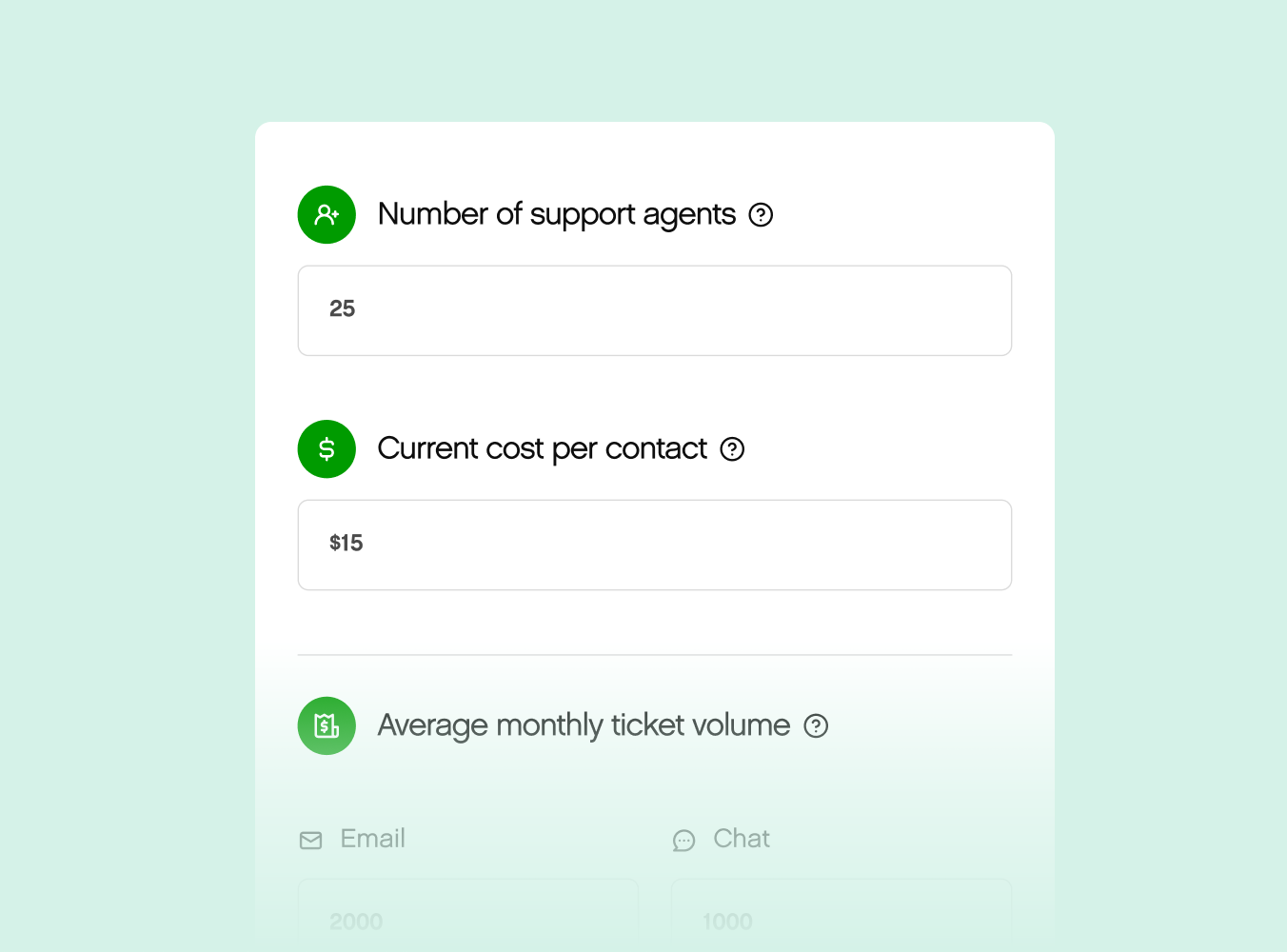
CX ROI calculator
See how much you can save with the CX ROI calculator. Estimate AI impact, efficiency gains, and cost savings in minutes.

Buy vs. build AI checklist
Should you build or buy AI for customer service? This CIO checklist covers costs, risks, and vendor evaluation to help you decide wisely.

Pulled-forward spending is real and here’s how you avoid the post-spike slump
Facing a post-spike slump from pulled-forward spending? Discover how AI-powered CX strategies boost customer retention and turn support into a revenue driver.
By
Jodi Cerretani