
December 23, 2025
Why peak season breaks your customer relationships
Every company has a moment when they manufacture their own attrition.
For most brands, it happens during peak season. When customer volume surges, pressure mounts, and the systems designed to handle normal load begin making calculated sacrifices. These aren't random failures. They're systemic choices about where efficiency matters more than outcomes.
And those choices are extracting a silent tax on customer lifetime value.
The math of a single bad moment
Consider what's happening right now across retail support queues. A customer bought a gift on November 29. The tracking shows "delivered," but the package never arrived. They interact with your support system. The experience falls short. A chatbot loop that doesn't understand their issue, a 47-minute hold time, and a handoff to an agent who suggests they contact the carrier.
From your operational dashboard, this interaction cost $4.50 to handle. The efficiency metrics are fine, and the queue moved. But the customer was averaging $600 annually with your brand. After this experience, they're done. Not loudly. Not dramatically. They simply never return.
The true cost of that interaction wasn't $4.50. It was $600 multiplied by the years they would have remained a customer. Multiply that by the thousands of similar interactions happening across your support function during peak season, and you're looking at millions in revenue that walks silently out the door.
Of course, when compared to $168 billion in annual customer churn costs facing U.S. providers, individual interactions seem negligible. Until you realize they're not individual anymore. They're systemic.
The measurement trap and why your dashboards lie
Here's the central paradox of modern CX operations. Your best metrics are hiding your worst outcomes.
Teams optimize for containment. Dashboard green. Customer satisfaction scores trend up. Average handle time drops. Deflection rates improve. Everything looks manageable from the operations center.
Meanwhile, something else is happening. Only 5% of generative AI initiatives produce measurable ROI. CX quality in the U.S. fell to its lowest level since measurement began, with 25% of brands declining and only 7% improving.
The disconnect isn't accidental. It's structural.
Systems optimized for deflection, ending conversations quickly, create a blind spot around resolution. A bot that misinterprets a billing question doesn't trigger an alert. It triggers a defection two months later when the customer's patience is exhausted. An automated return flow that feels unhelpful doesn't show up as a support ticket. It shows up as a missing reorder next quarter when that customer's repurchase window closes.
This is especially dangerous during peak season, when volume spikes 200-300% and brands lean harder on automation to manage the surge. The very moment when customer patience runs thinnest is the moment when your systems are most likely to fail them.
But here's what separates this from ordinary operational problems: the failure is invisible until it's irreversible.
The silent majority problem that you won’t see coming
Unhappy customers don't announce their departure. They just leave.
Only 1 in 26 unhappy customers actually complains. The rest simply vanish. That means for every frustrated email that hits your inbox, 25 other customers experienced the same frustration and said nothing. They just moved on.
This is what quiet attrition looks like. A withdrawal so gradual it reads as stability until the reorder rate drops and finance starts asking why a segment that used to repurchase every 90 days now repurchases every 170. By then, the damage was done months earlier.
The trigger for this withdrawal is unforgiving. 33% of American consumers will consider switching companies after just a single instance of poor service. 53% will switch brands over poor customer experience. And 76% of worldwide respondents said they would stop doing business with a company after just one bad experience.
One bad experience. During your busiest season. When your systems are under maximum stress.
What makes this pattern so destructive is that it's self-reinforcing. Peak season pressure leads to automation-first decisions. Those decisions create poor moments. Those moments create silent attrition. Silent attrition means lower repurchase rates, which gets attributed to market conditions rather than operational choices. So next peak season, the pressure returns and the cycle repeats.
The brands that break this cycle do something fundamentally different.
Resolution over satisfaction
The brands that win during holidays don't just scale volume. They protect relationships.
As one CX executive put it bluntly in recent industry research on loyalty metrics, the goal isn't whether customers had a "good experience." It's whether they repurchase.
A pleasant moment that doesn't lead to another order is a vanity metric. A slightly imperfect moment that preserves loyalty is a financial engine.
This requires fundamentally different thinking about what AI should do during peak season. When AI escalates to a human, what does that handoff look like? Does the agent see what AI already tried? Does the customer have to repeat themselves? The quality of the "assist" experience matters as much as the resolution rate.
The retailers winning in 2025 are treating returns with empathy rather than friction. They're investing in fast, effective onboarding for seasonal agents rather than cramming training into a single week. They're updating self-service tools with seasonal policies before the rush hits.
Most importantly, they're measuring what actually matters. Not deflection rates in isolation. Not containment metrics. Not handle time divorced from context. They're tracking repeat purchase probability. Customer lifetime value trajectory. Callback rates on the same issue.
Because those metrics tell you whether you're building loyalty or manufacturing attrition.
A decision to make now
The 2026 holiday planning window opens sooner than most brands realize. Deloitte's 2025 holiday survey shows 82% of consumers plan to shop during Black Friday and Cyber Monday, The highest-performing brands approach peak season with a fundamental inversion: they optimize for what comes after the moment, not the moment itself.
Most organizations ask "how do we handle the surge?" Winning organizations ask "will this customer return?" As one CX executive put it bluntly, the goal isn't whether customers had a "good experience." It's whether they repurchase.
A pleasant moment that doesn't lead to another order is a vanity metric. A slightly imperfect moment that preserves loyalty is a financial engine.
This means measuring what actually matters, repeat purchase probability, customer lifetime value trajectory, callback rates on the same issue. Not deflection rates in isolation. Not containment metrics divorced from context.
It means when AI escalates to a human, the agent sees what was already tried. It means seasonal agents get scenario-based training, not rushed onboarding. It means updating self-service tools with seasonal policies before the rush hits.
Most fundamentally, it means understanding the difference between satisfaction and devotion. Satisfied customers still leave. Devotion is built on accumulated experiences where your system remembers context instead of forcing customers to repeat themselves.
The silent attrition plaguing most brands is the accumulation of small moments where efficiency mattered more than resolution. The brands that thrive do the opposite, one context-aware interaction at a time, one seamless escalation at a time, one moment where your system remembered what the customer needed.
When competitors are fighting for the same dollars, the brands that actually know their customers and resolve their issues as they matter earn the next order. And the next.
The revenue difference is measured in customer lifetime value, not holiday sales.
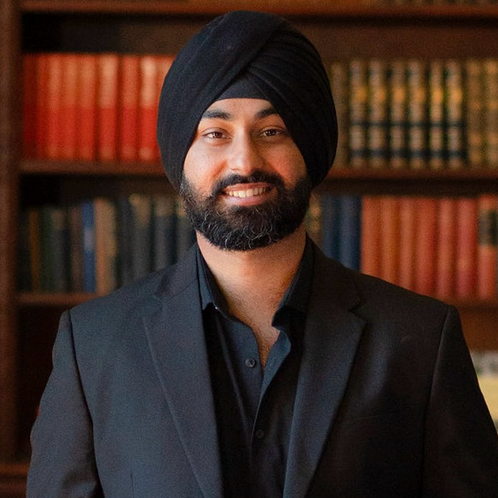
Hans Singh
Senior Product Marketing Manager
Hans Singh is a Senior Product Marketing Manager at Gladly. He helps turn complex technology into simple, human stories that connect products to real customer impact. At Gladly, he focuses on bringing new products and capabilities to market, making it easier for brands to deliver effortless, connected customer experiences powered by empathy and innovation.
Frequently asked questions
Recommended reading

5 tips to avoid the customer service holiday hangover
Dodge some of the biggest challenges this holiday season.

How to leverage holiday self-service this season
The best way to get ahead of the holiday rush? Help your customers to help themselves–with self-service. Here’s how to implement it well before Black Friday.
By
Angie Tran

Emotional intelligence in customer service for holidays
Neuroscience proves customers remember how you made them feel. Master emotional intelligence in customer service this holiday season with free training.
By
Aashna Malpani